The Dalmally Carved Stones
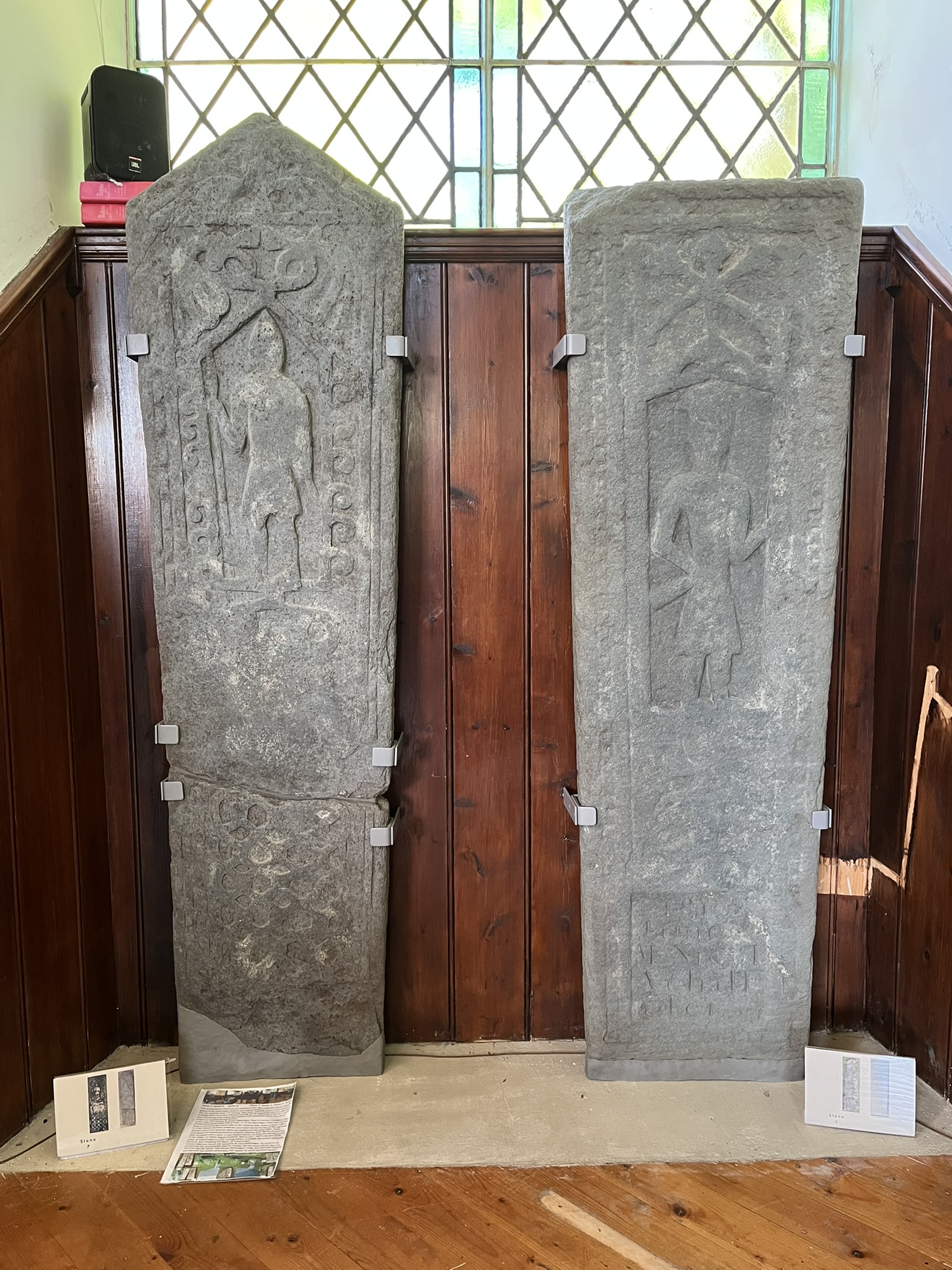
A set of carved grave-slabs that once covered the graves of the early MacGregor chiefs is now displayed inside Glenorchy Parish Church at Dalmally, the church historically known as Clachan Dysart. They were carved locally, in the tradition known as the Loch Awe school, and are among the few relics of the clan to survive from before the proscription of the name.
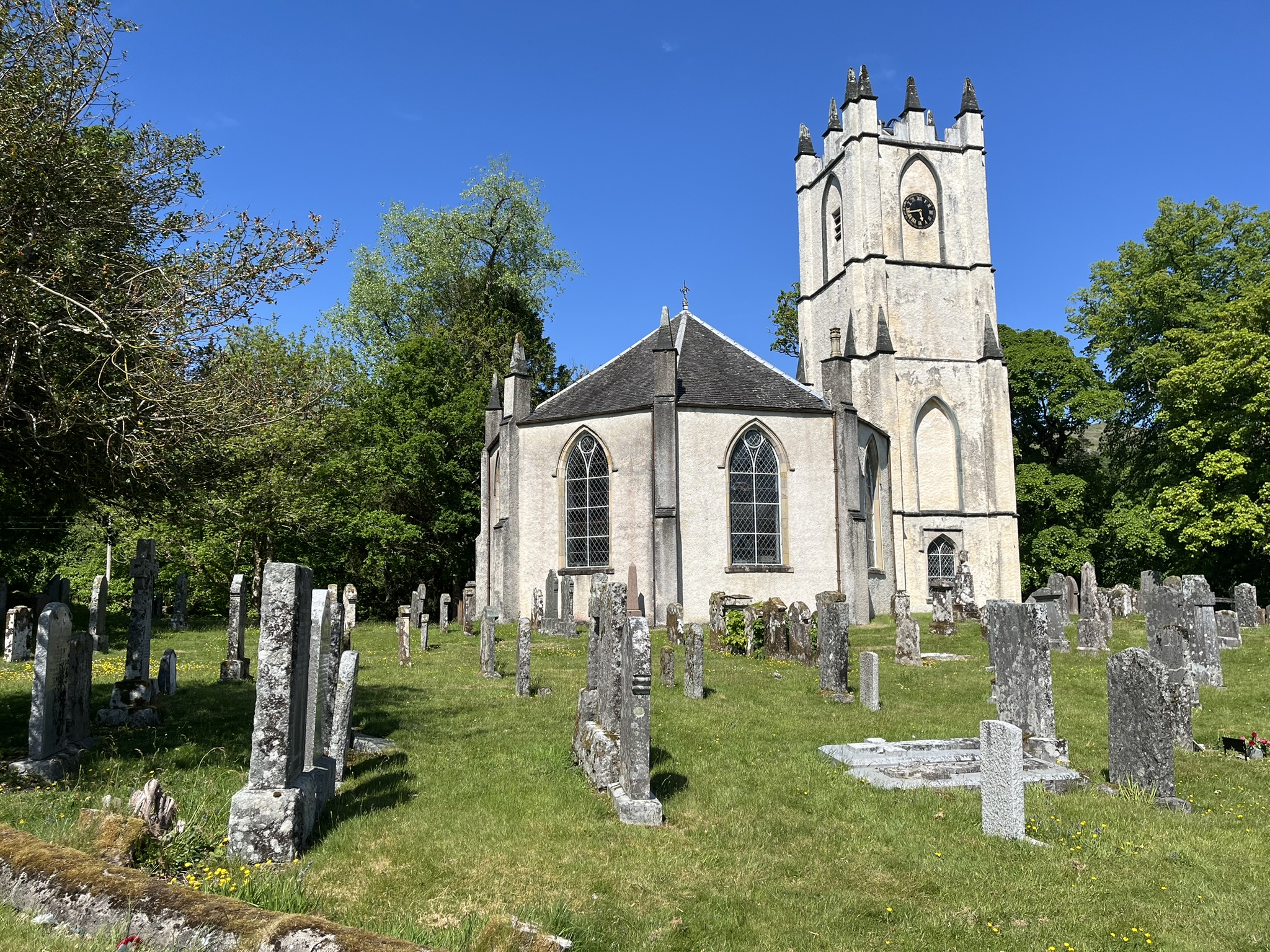
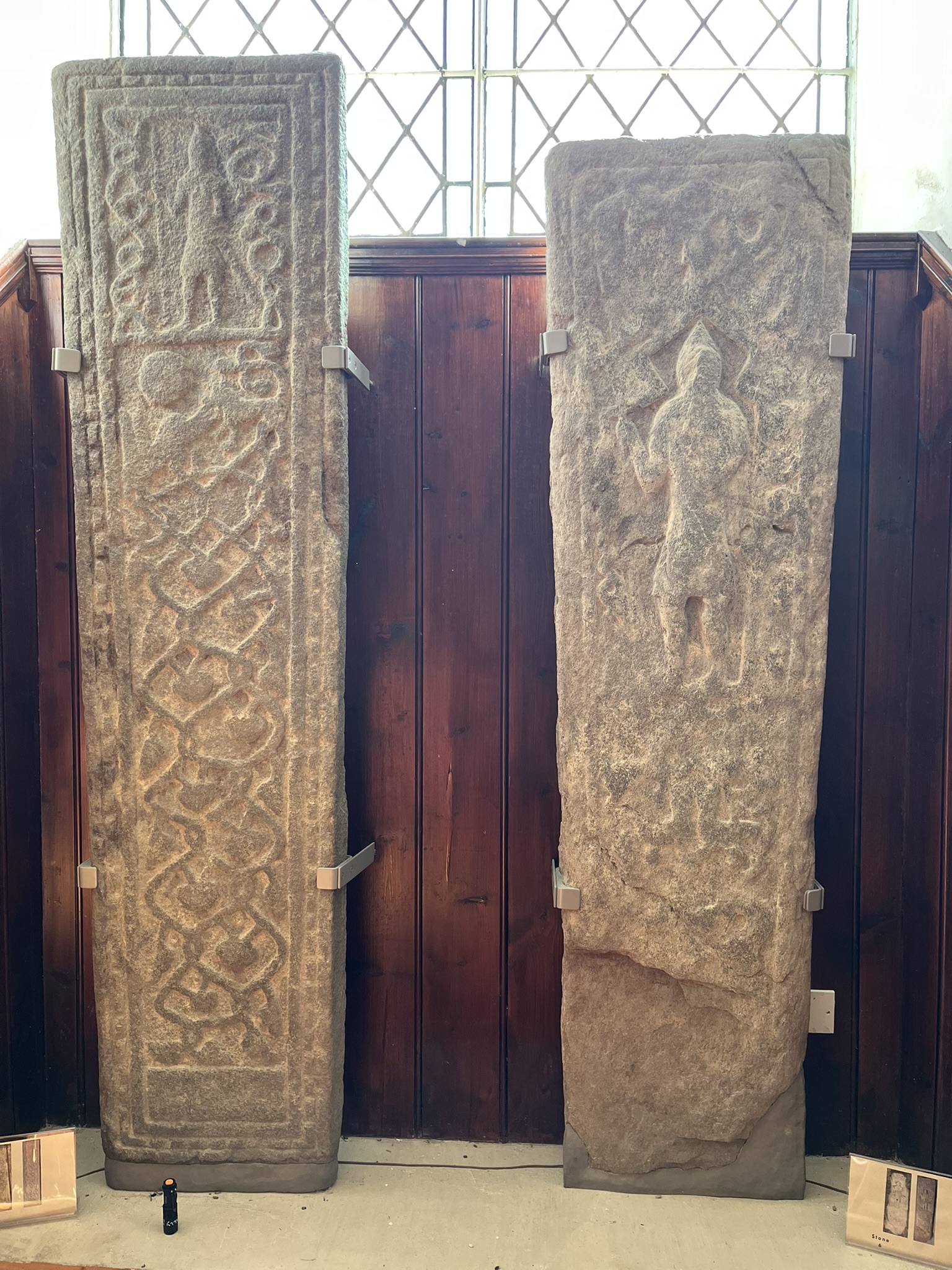
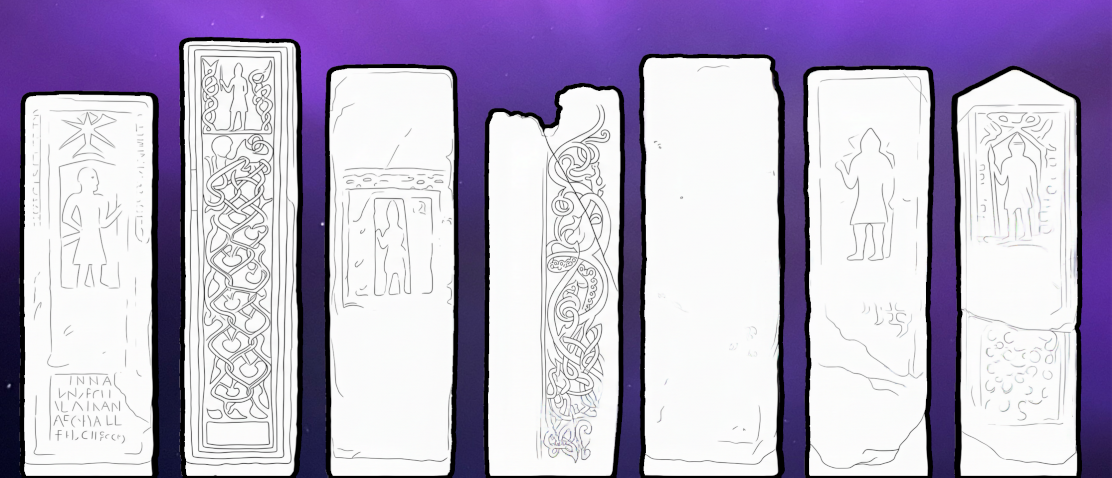
The medieval church that stood on this site until the early 17th century was the burying place of the chiefs of Clan Gregor. An early-16th-century series of obituaries compiled by Sir James MacGregor, Dean of Lismore, records that at least twelve of the chiefs lie here, on the north and south sides of the medieval altar, some in stone coffins.1 Seven of the slabs are reckoned fine examples of the Loch Awe school: several show an armed warrior carrying a spear or a two-handed sword, others elegant fretwork or a running pattern of foliage.2
Guide Sheet
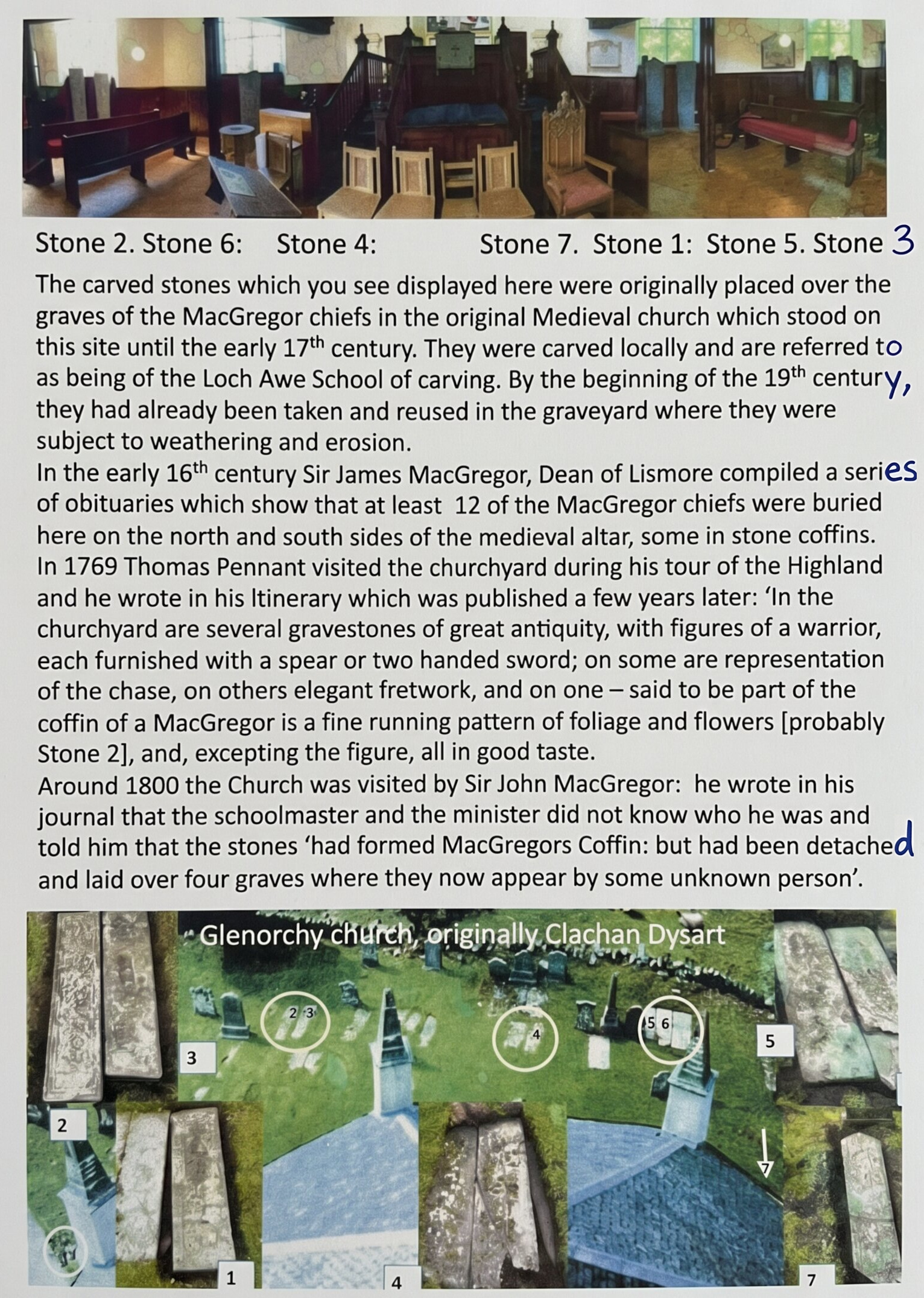
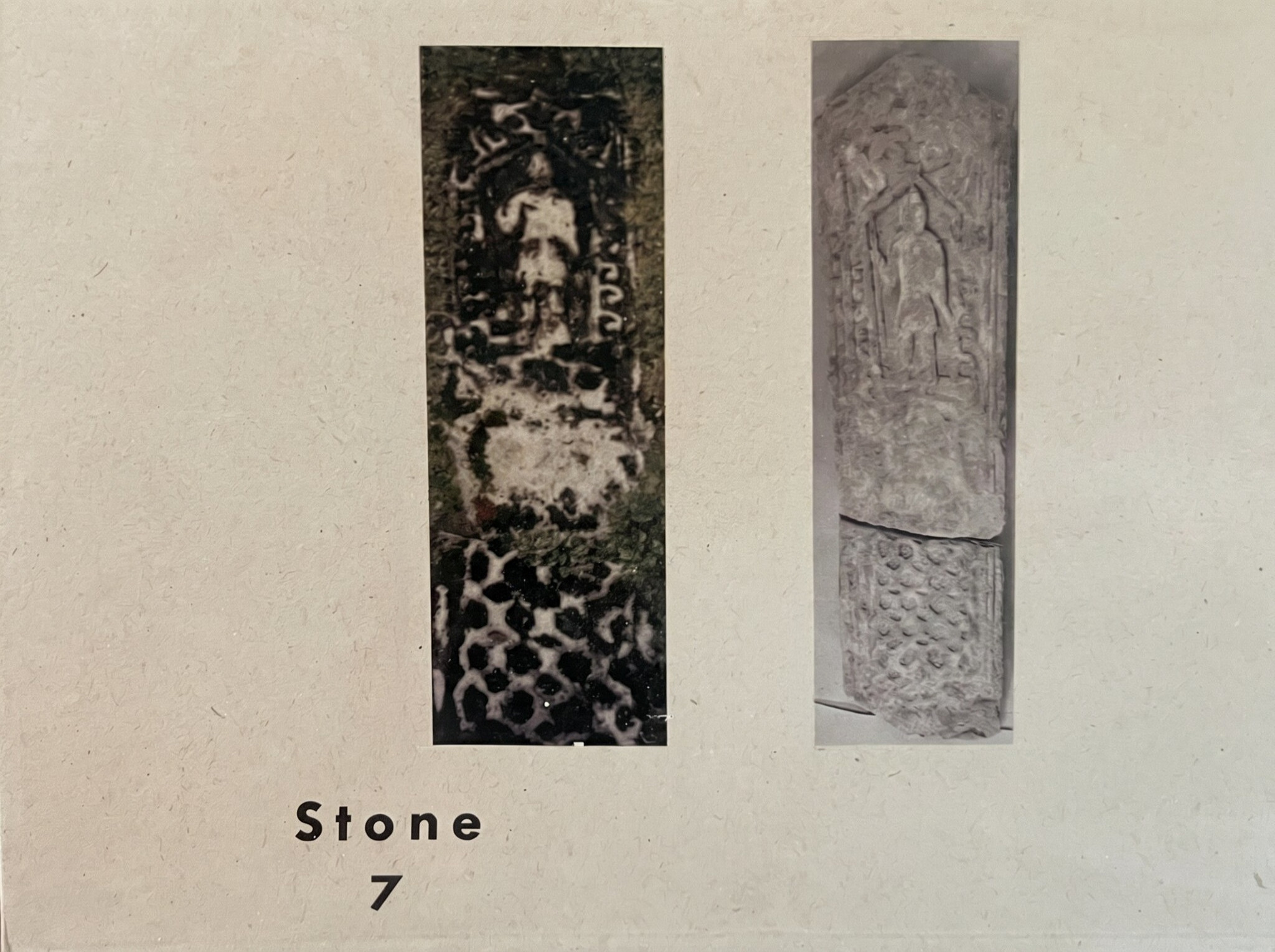
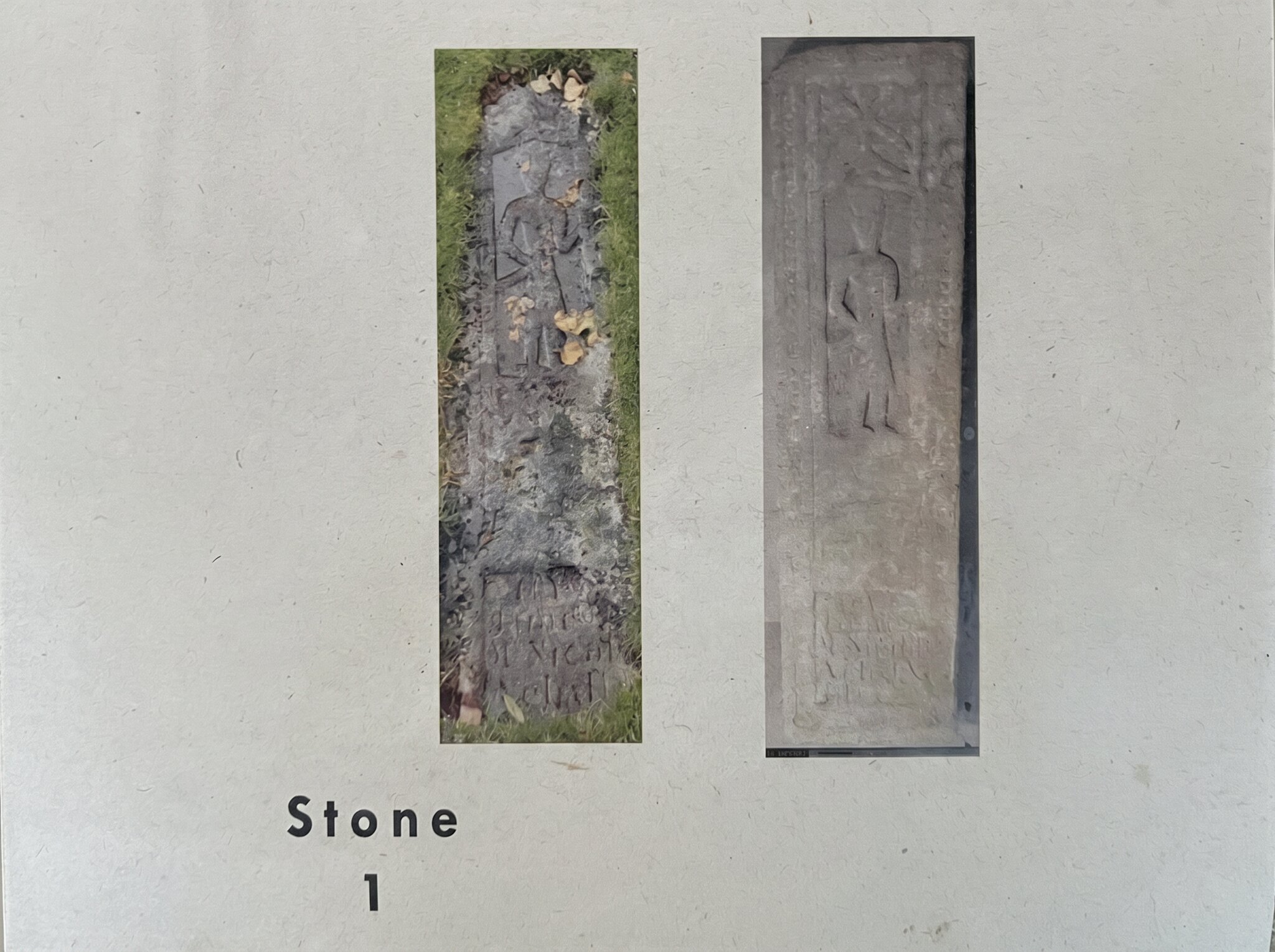
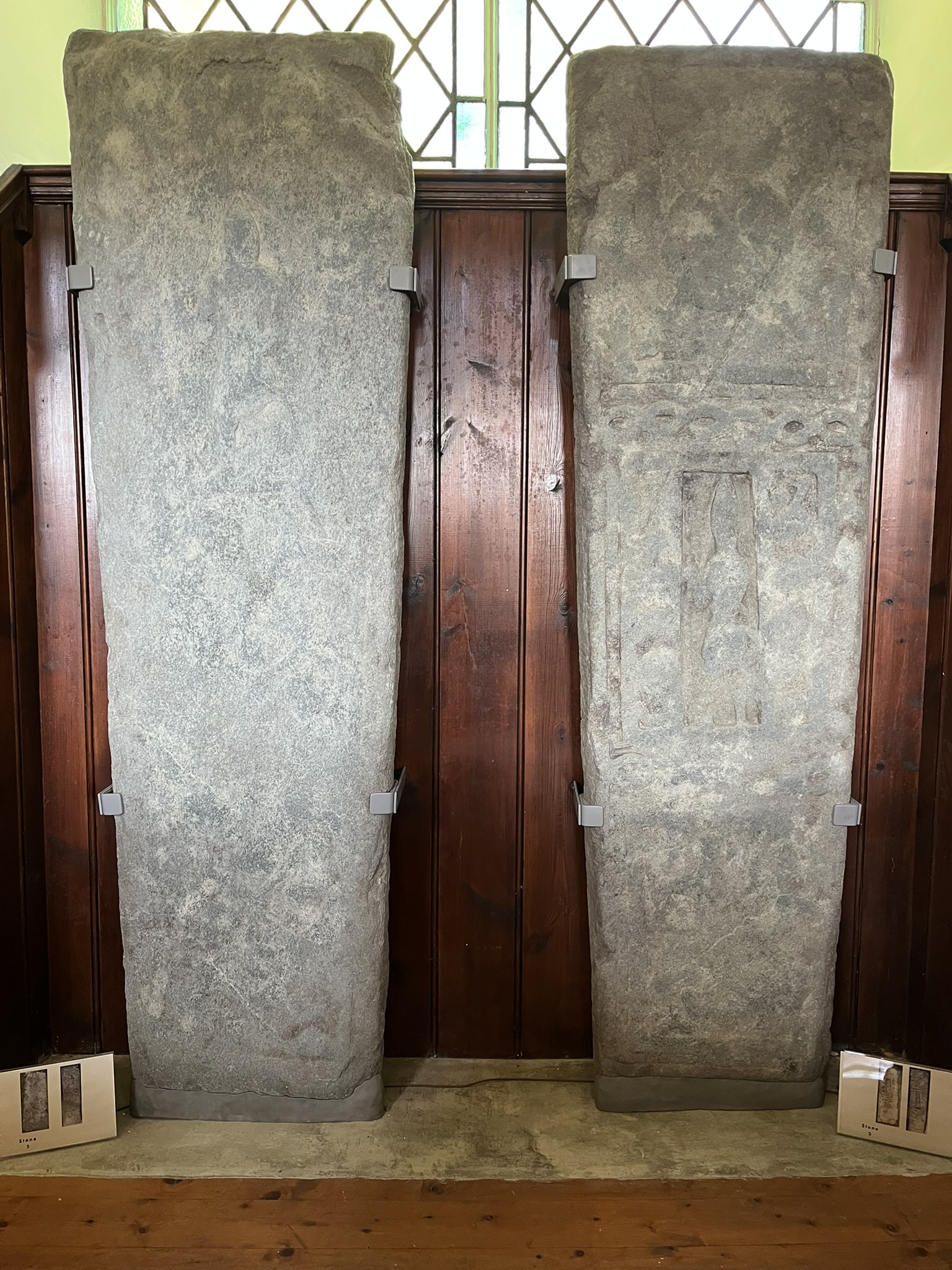
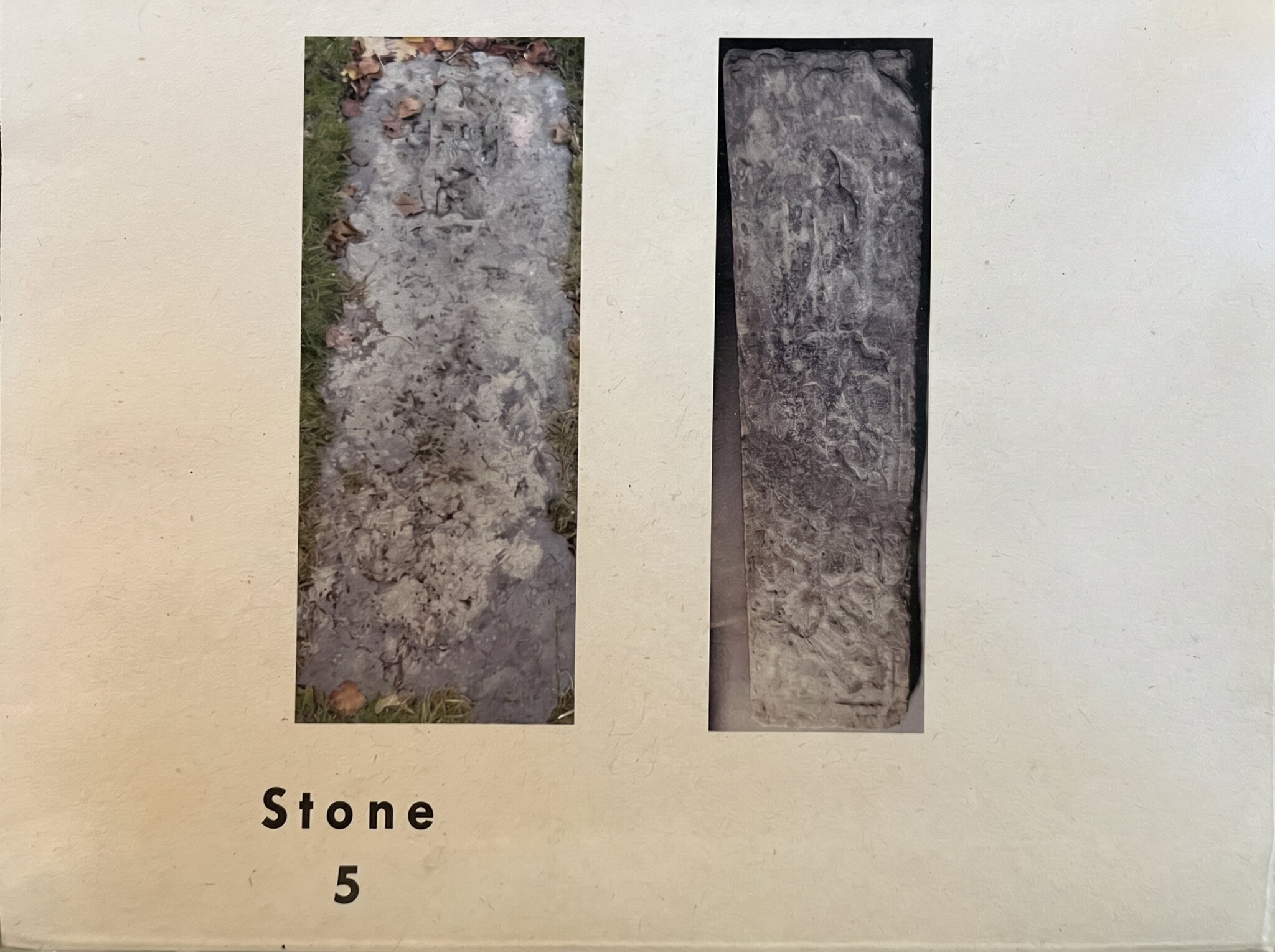
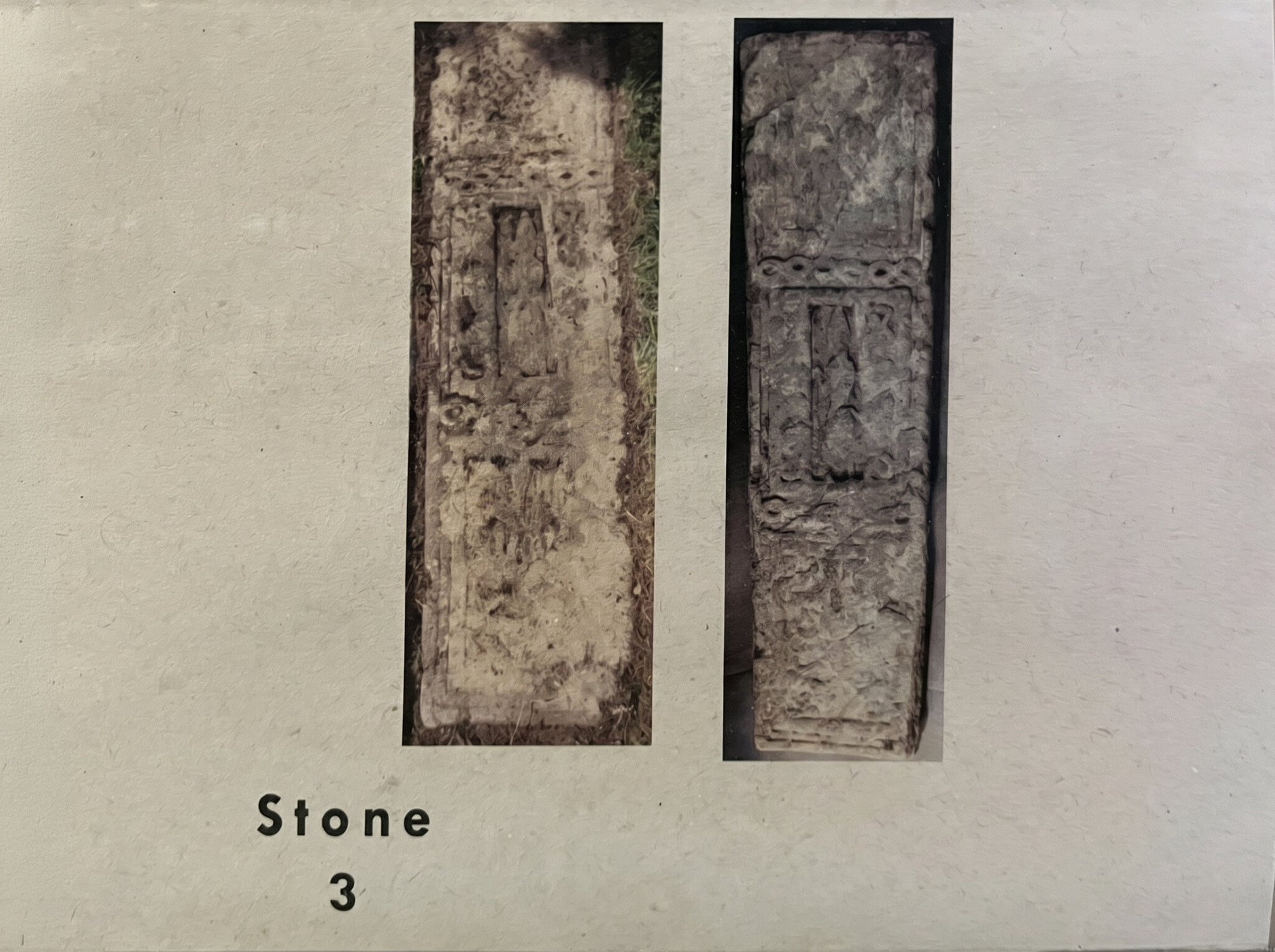
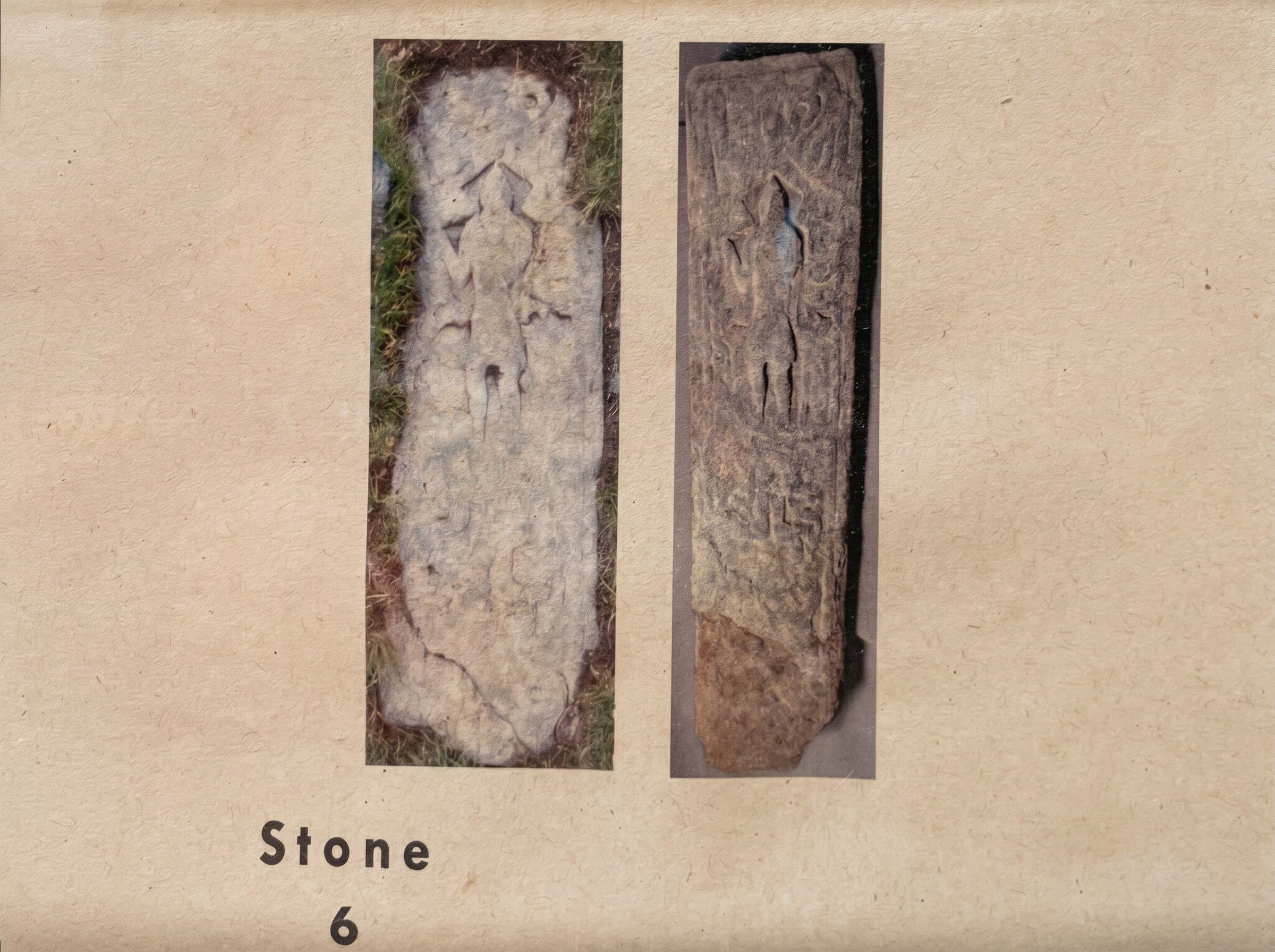
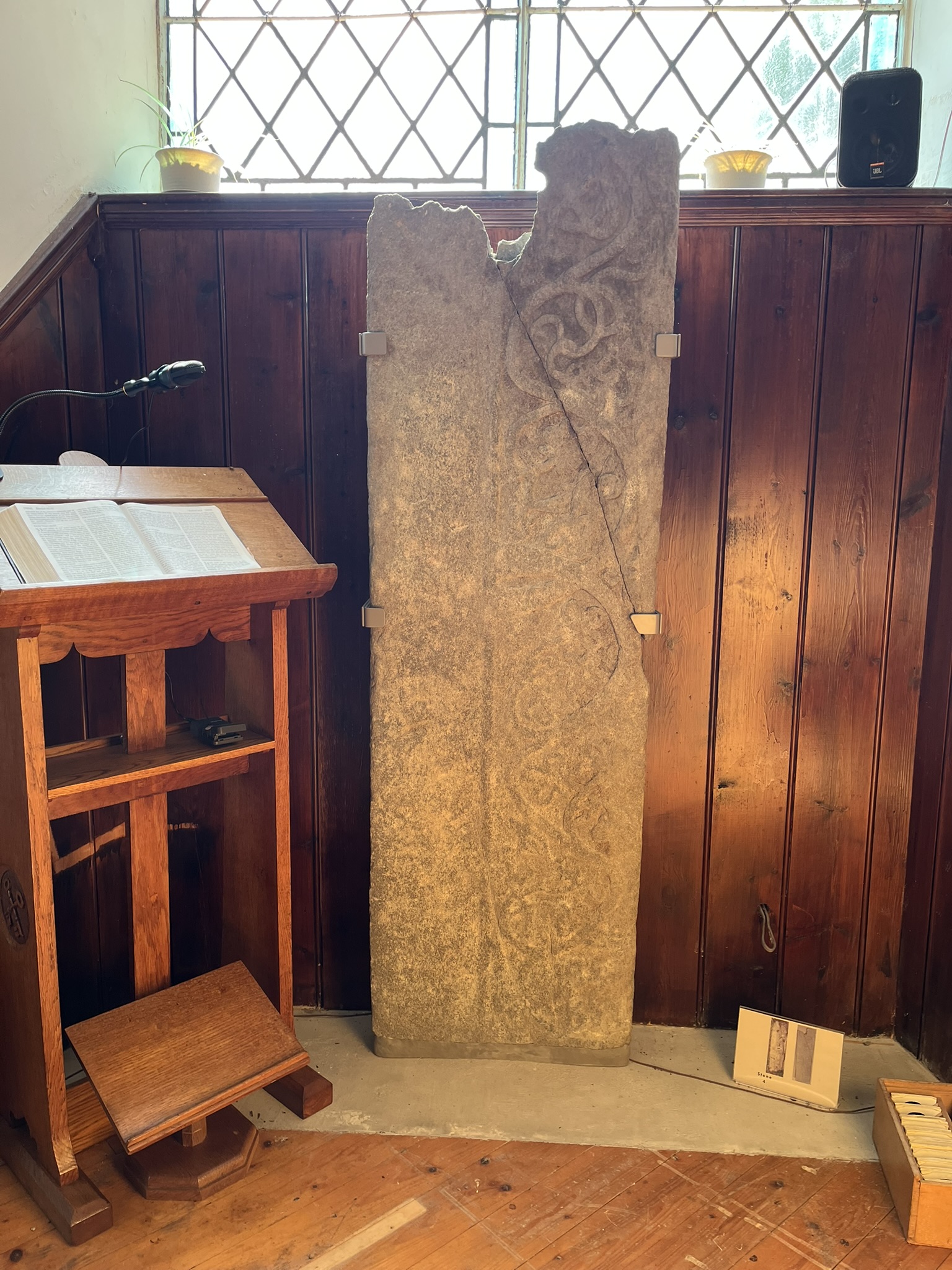
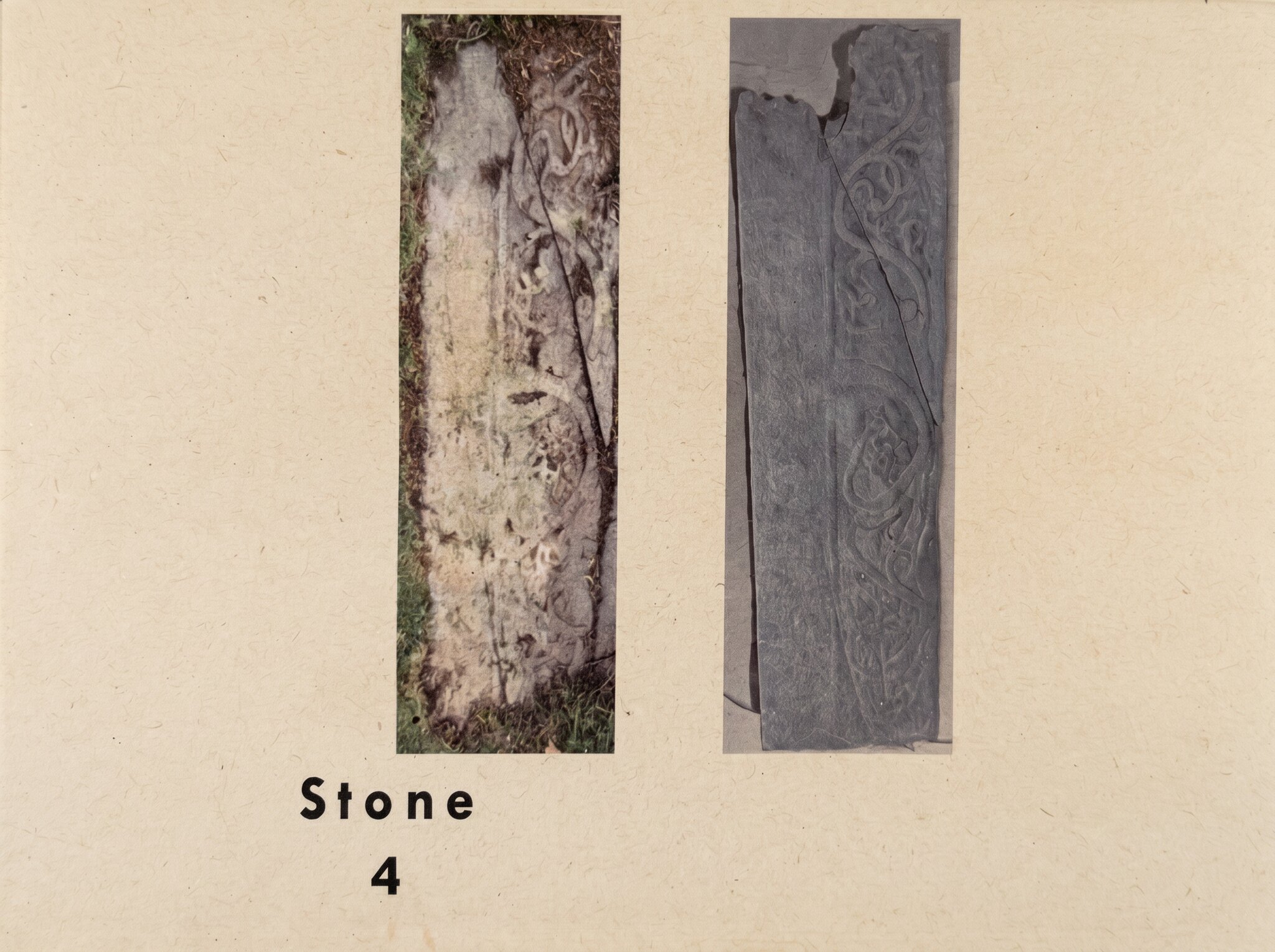
The church also keeps a card for each stone, numbered one to seven, pairing it with an older photograph taken before the slabs were brought indoors. The photographs below follow the stones from right to left around the room, with the card for each stone set beneath the photograph of it.
Stone 7 & Stone 1
Stone 5 & Stone 3
Stone 2 & Stone 6
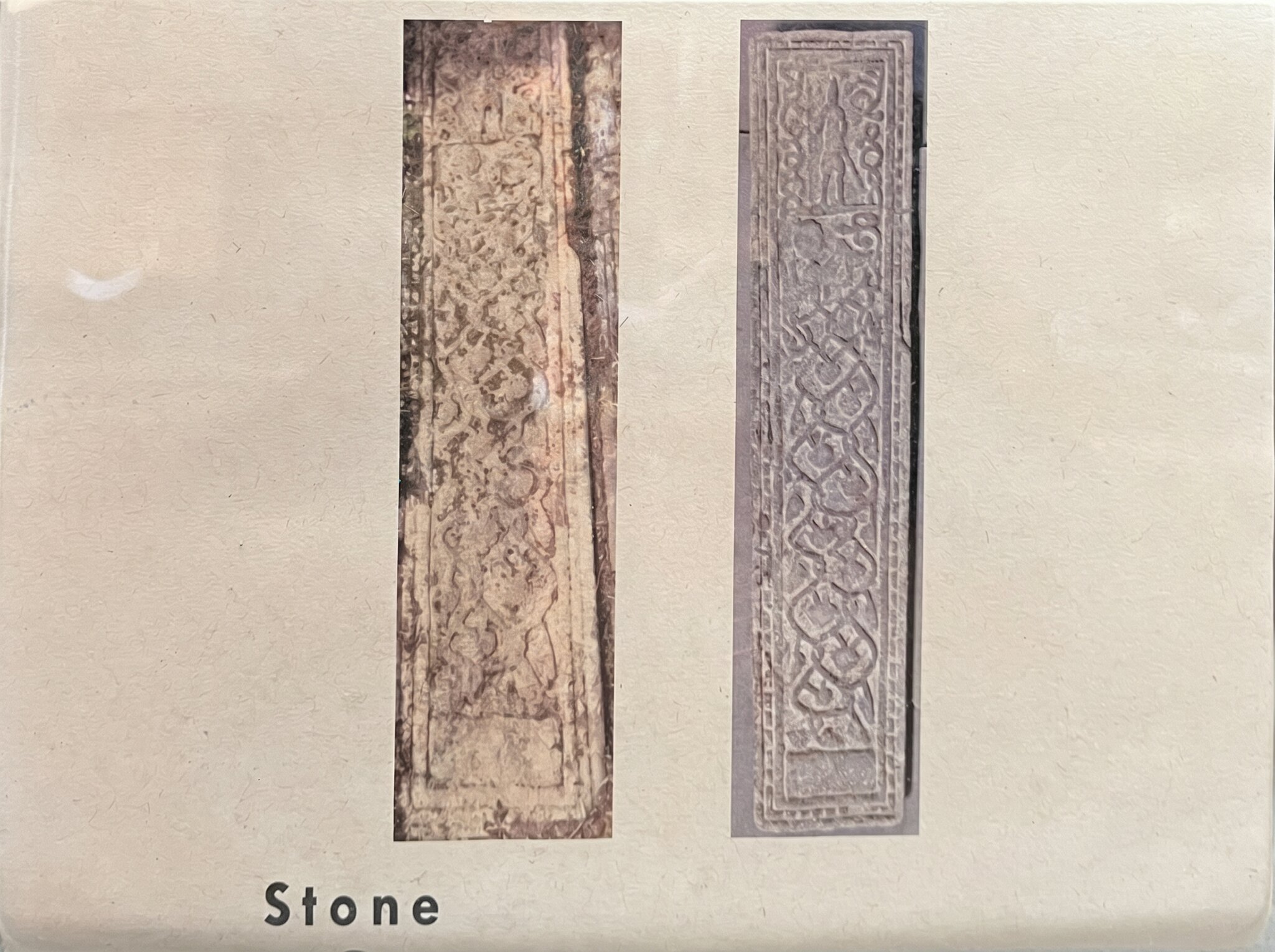
Stone 4
Background Info
When Thomas Pennant passed through on his Highland tour in 1769 the slabs were still lying in the churchyard. He noted “several gravestones of great antiquity, with figures of a warrior, each furnished with a spear or two-handed sword; on some are representation of the chase, on others elegant fretwork, and on one - said to be part of the coffin of a MacGregor - is a fine running pattern of foliage and flowers, and, excepting the figure, all in good taste.”1
By the early 19th century the slabs had already been lifted from their original places and reused over later graves in the churchyard, where they lay exposed to weather and erosion. On some, the carving is now almost lost. One bears a plain inscription dated 1812, cut into a corner long after the medieval carving.
Around 1800 Sir John MacGregor visited and recorded that the schoolmaster and minister, not knowing who he was, told him the stones “had formed MacGregors Coffin: but had been detached and laid over four graves where they now appear by some unknown person.”1
After decades in the open, the Clan Gregor Society raised funds to conserve the stones and bring them inside the church. The work was carried out in 2022 and 2023 with support from Historic Environment Scotland, and the slabs are now displayed indoors where the carving can be seen and where they are protected from further weathering.3
Image Processing
The stones have been extracted and stretched at the bottom to equal the width at the top, and that's not as true for some as others, however - it was easier to process the images this way.
The stones are arranged in order of their assigned number.
Relative size of stone was approximmately checked against the window sill height.
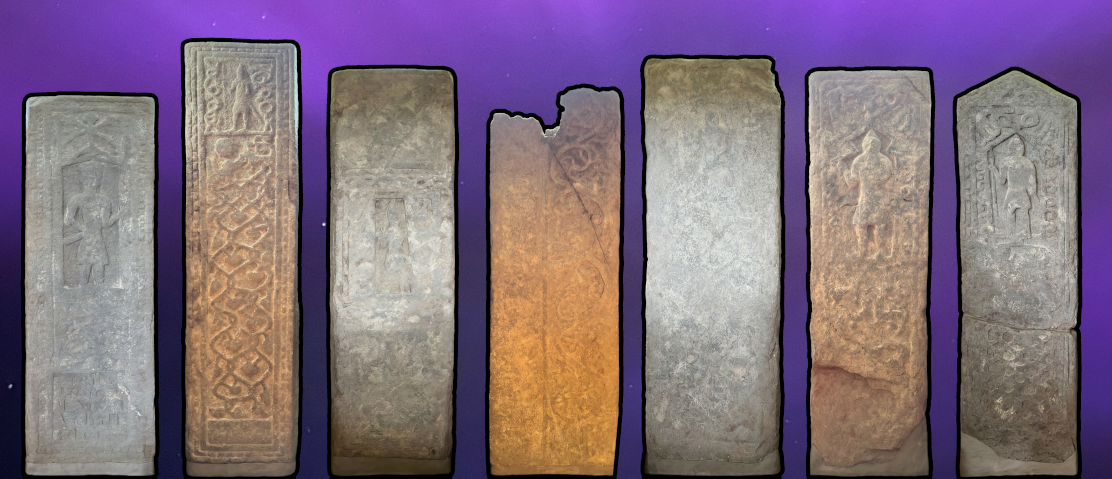
Lighting on the stones will differ depending on the position of the stone inside the church, so colour balance isn't consistent across the stones. The colour balance was not adjusted at all.
Below there's an AI-generated image showing the stones with their carving traced out in fine lines, so the warrior figures, interlace and foliage patterns stand out more clearly than on the worn stone.
Location Map
Footnotes
-
Guide sheet displayed beside the stones inside Glenorchy Parish Church, Dalmally, read on a visit in May 2025. The sheet transcribes the quotations from Thomas Pennant’s Tour in Scotland (1769) and from Sir John MacGregor’s journal. ↩︎ ↩︎ ↩︎
-
Historic Environment Scotland, Glenorchy, Church of Dysart (Canmore site 23656). ↩︎
-
Clan Gregor Society, The Dalmally Stones Project. ↩︎